The Baker's Secret Ingredient: A Professional Guide to Vanilla Extract
It’s in nearly every cake, cookie, and custard recipe ever written, yet vanilla extract is one of the most misunderstood ingredients in the baker’s pantry. Reach for the wrong bottle, use the wrong amount, or apply it at the wrong stage, and you’ll leave real flavor on the table. Understanding vanilla extract more deeply is one of the simplest ways to elevate everything you bake.
What Is Vanilla Extract, Really?
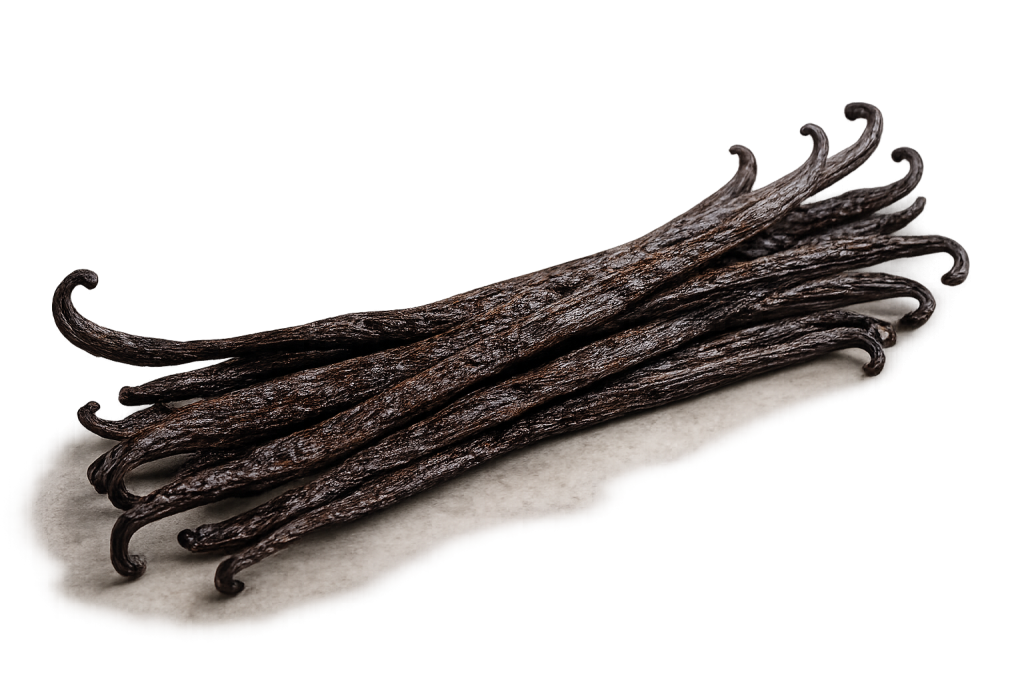
Pure vanilla extract is made by macerating vanilla beans in an alcohol-and-water solution, which extracts the flavor compounds from the beans, primarily vanillin. In the United States, pure vanilla extract must contain at least 35% alcohol and be made from at least 13.35 ounces of vanilla beans per gallon of liquid.
Imitation vanilla, by contrast, is made from synthetic vanillin, often derived from wood pulp or petrochemical sources. It delivers a flat, one-dimensional sweetness that experienced palates can immediately detect.
For professional bakers, pure extract is non-negotiable.
Choosing the Right Vanilla
Not all vanilla is created equal.
The origin of the beans has a significant impact on the flavor profile. Madagascar (Bourbon) Vanilla is the most widely used in professional baking. It’s rich, creamy, and sweet, the classic vanilla flavor most people recognize. It pairs beautifully with butter-based cakes, pastry creams, and ice creams. Tahitian Vanilla is more floral and fruity, with notes of cherry and anise. It works exceptionally well in careful preparations like panna cotta, light mousses, and fruit-forward desserts where you don’t want the vanilla to overpower.
How to Use Vanilla Extract Properly
Add it at the right time:
Because vanilla is alcohol-based, avoid adding it too early during a sauce’s reduction, as the alcohol will cook off rapidly, carrying away its more delicate aromatics.
For the best flavor, fold vanilla extract into custards and creams once removed from heat, preserving its delicate aromatics.
Add it to batters after creaming the butter and sugar.
Don’t be timid with the amount:
Most home recipes are conservative with vanilla. In professional pastry kitchens, vanilla is used generously because it doesn’t just add vanilla flavor; it rounds out and enhances all the other flavors in the recipe. Think of it as a flavor amplifier, not just a flavoring agent.
Pair it strategically:
Vanilla extract has a natural affinity with dairy fats, eggs, and caramel. It also elevates chocolate by softening its bitterness. When developing a recipe, consider vanilla a building block of your flavor base rather than an afterthought.
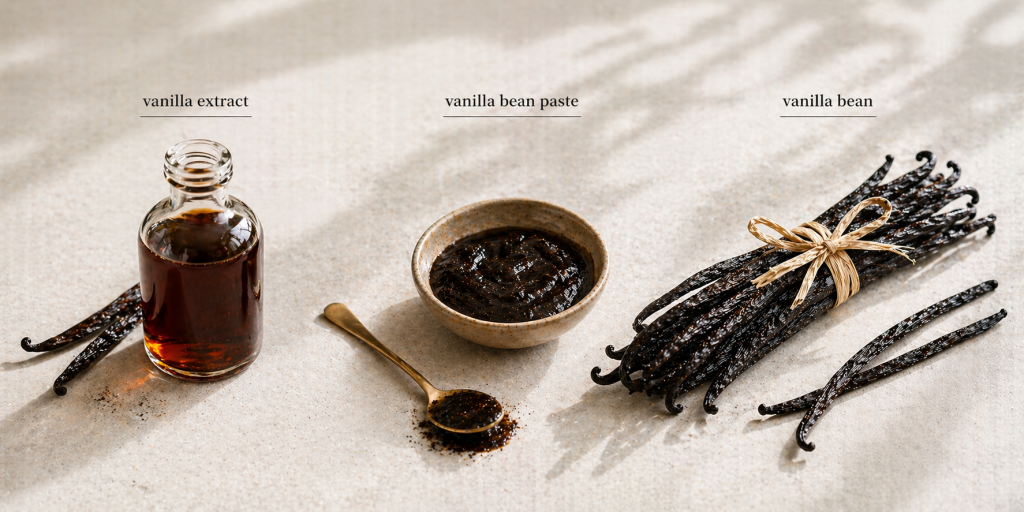
Pure Extract vs. Vanilla Bean Paste vs. Whole Beans
For most baking applications, high-quality pure extract is the most practical and cost-effective choice. However, when visual appeal matters, think vanilla bean ice cream, crème brûlée, or pastry cream; vanilla bean paste offers the flavor of extract with the added benefit of visible specks of real vanilla bean seeds. It can be used as a 1:1 substitute for extract.
Whole vanilla beans are best reserved for infusions: steeping in warm cream, milk, or sugar to create a deeply aromatic base. They’re a worthwhile investment for signature preparations where vanilla is the star of the show.
Storing Vanilla Extract for Maximum Shelf Life
Store vanilla extract in a cool, dark place away from heat sources like your oven or stovetop. Properly stored, pure vanilla extract has an indefinite shelf life and actually improves with age, much like a fine spirit. Never refrigerate it, as the cold can cause the flavor compounds to crystallize and dull.
Stock Your Kitchen Right
The difference between a good bake and a great one often comes down to the quality of your ingredients and tools. At Kerekes, we carry a full range of professional baking supplies from flavorings and pastry fillings to the precision tools that help you work with them. Whether you’re perfecting a classic vanilla génoise or building a complex entremet, we have everything you need to do it right.