Home > Baking with Perforated Tart Rings: The Secret to Perfectly Crisp Tart Shells
Baking with Perforated Tart Rings: The Secret to Perfectly Crisp Tart Shells
{
"@context": "https://schema.org",
"@type": "FAQPage",
"mainEntity": [
{
"@type": "Question",
"name": "Do I need to use pie weights when baking with perforated tart rings?",
"acceptedAnswer": {
"@type": "Answer",
"text": "Not always. When using chilled, properly prepared pastry dough, pie weights may not be necessary. However, for recipes that require blind baking, weights can help prevent the base from puffing up."
}
},
{
"@type": "Question",
"name": "Can I bake directly on a metal baking sheet?",
"acceptedAnswer": {
"@type": "Answer",
"text": "Yes. Place the tart rings on a flat, sturdy baking sheet to provide support and help transfer them safely in and out of the oven."
}
},
{
"@type": "Question",
"name": "Why is my tart dough sticking to the perforated ring?",
"acceptedAnswer": {
"@type": "Answer",
"text": "Sticking can occur if the dough is too warm, the ring is not properly prepared, or the pastry has not cooled enough before removal. Chilling the dough and allowing the shell to cool slightly can make unmolding easier."
}
},
{
"@type": "Question",
"name": "How do I prevent dough from bulging through the holes?",
"acceptedAnswer": {
"@type": "Answer",
"text": "Use properly chilled dough and press it evenly against the ring without stretching it. Make sure the pastry is rolled to a consistent thickness to help maintain a smooth, even surface."
}
}
]
}
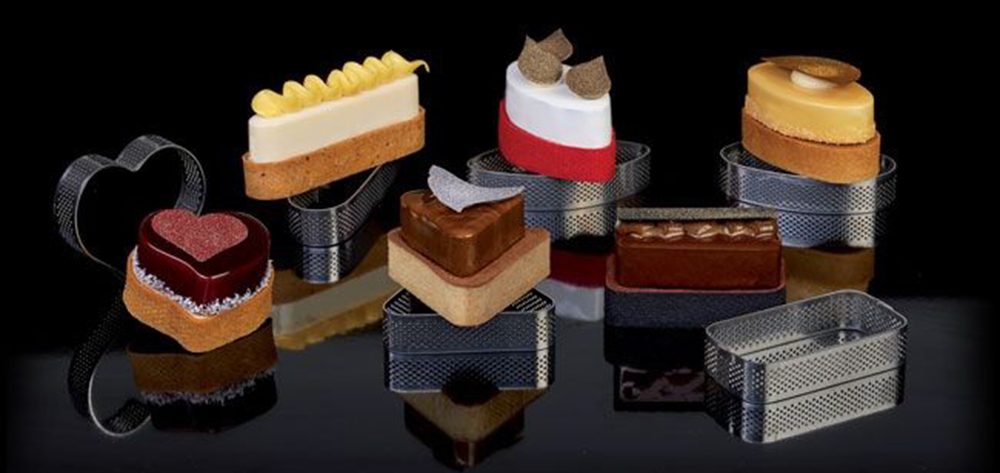
Achieve professional baking results with perforated tart rings. Designed to promote even heat distribution and airflow, these rings help create tart shells with crisp, golden crusts and beautifully defined edges.
Why Use Perforated Tart Rings?
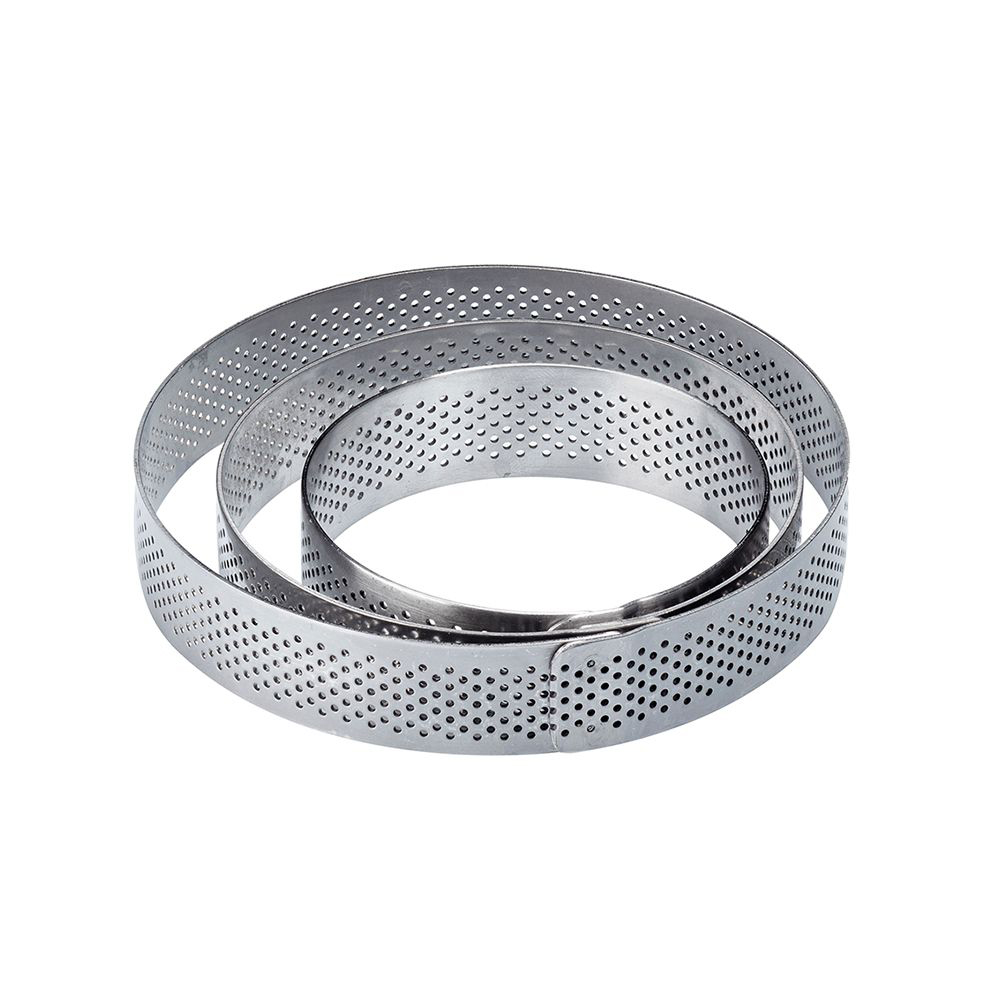
Perforated tart rings are a favorite among professional pastry chefs because they help create tart shells with consistent baking results and a polished, professional appearance. The small holes along the sides allow heat and moisture to circulate more effectively around the pastry, encouraging even baking and helping the crust develop a crisp, golden texture.
Unlike traditional solid tart pans, perforated rings promote airflow around both the sides and edges of the dough. This helps reduce excess moisture, resulting in a crisper crust that holds its structure and provides a sturdy base for fillings. The ring’s straight edges also help create clean, precise sides, making it easier to achieve the refined look often seen in professional patisseries.
Another advantage is consistency. Perforated tart rings help bakers produce uniform shells with repeatable shapes and dimensions, making them especially useful when preparing multiple individual tarts for a bakery, restaurant, or special event. They can be used for a variety of sweet and savory recipes.
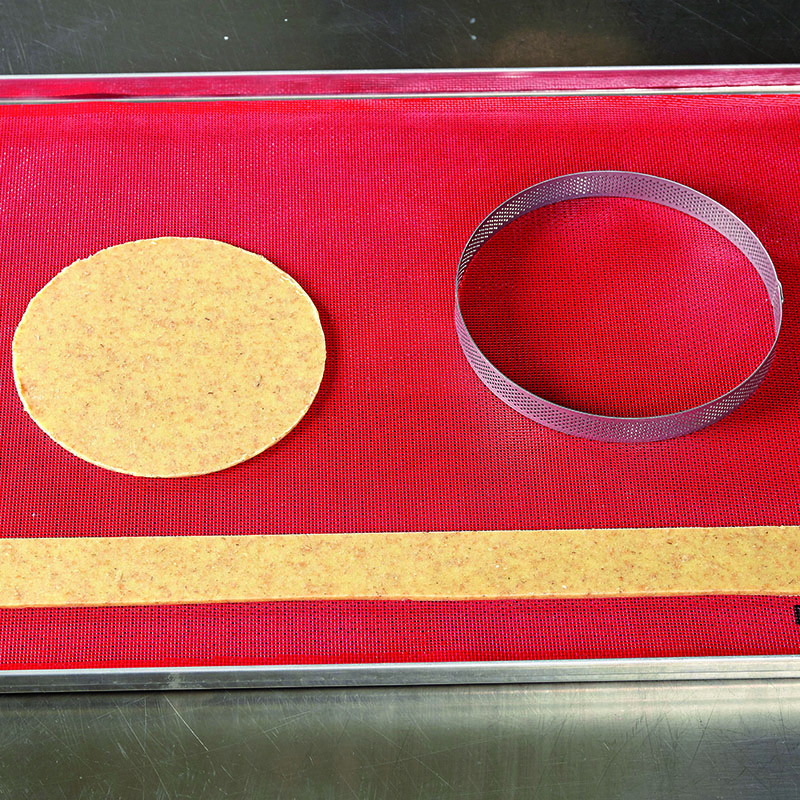
For the best results, pair perforated tart rings with a perforated silicone baking mat and baking tray. Together, these tools help promote even baking and make it easier to achieve crisp, beautifully shaped tart shells.
Tips for Better Results
Use chilled dough: Cold pastry helps maintain its shape and reduces shrinkage during baking.
Choose a perforated baking mat: Pair your tart rings with a perforated silicone baking mat to encourage even airflow and browning.
Avoid overworking the dough: Handle pastry gently to help maintain a tender, flaky texture.
Bake until golden: Look for evenly colored edges and a crisp base before removing your tart shells from the oven.
Elevate Your Pastry Creations
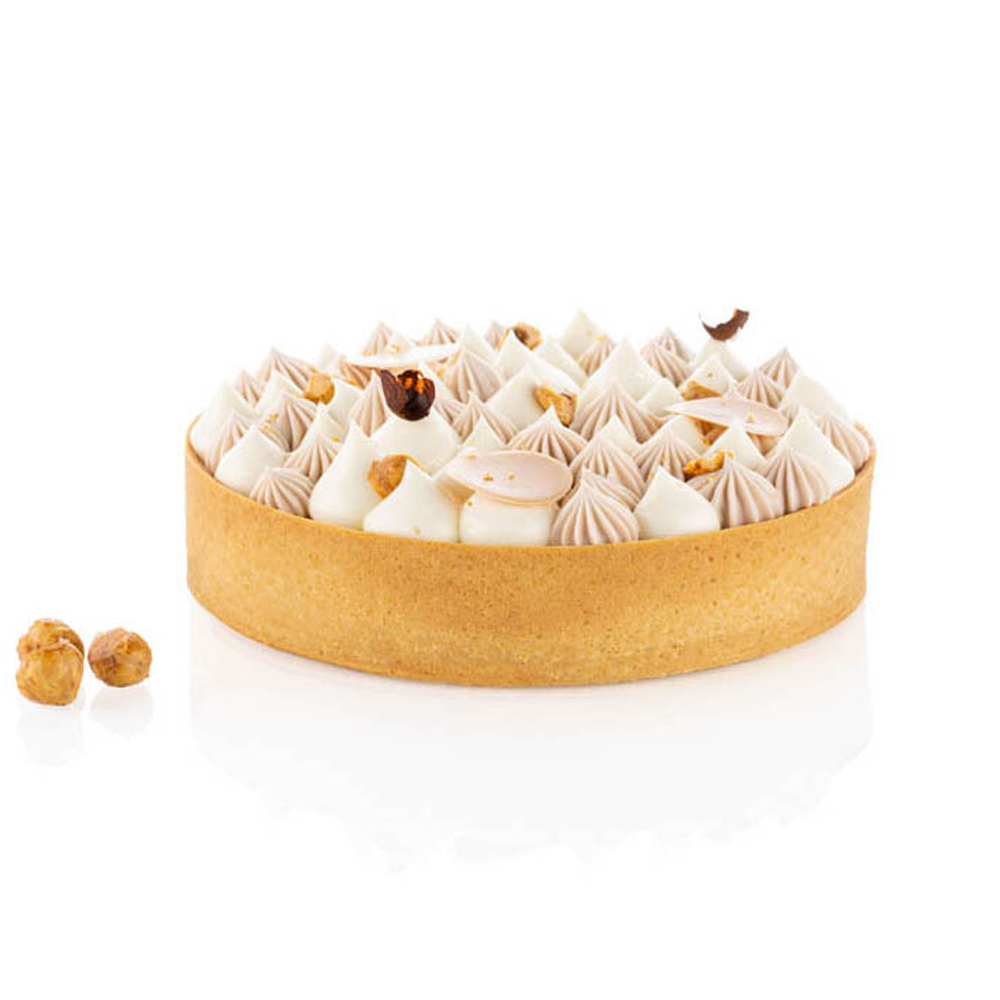
Whether you’re preparing fruit tarts or elegant individual pastries, perforated tart rings are a valuable addition to any baker’s toolkit. With the right tools and techniques, you can create consistent, bakery-quality tart shells ready for your favorite fillings.
Frequently Asked Questions About Perforated Tart Rings
Do I need to use pie weights when baking with perforated tart rings?
Not always. When using chilled, properly prepared pastry dough, pie weights may not be necessary. However, for recipes that require blind baking, weights can help prevent the base from puffing up.}
Can I bake directly on a metal baking sheet?
Yes. Place the tart rings on a flat, sturdy baking sheet to provide support and help transfer them safely in and out of the oven.
Why is my tart dough sticking to the perforated ring?
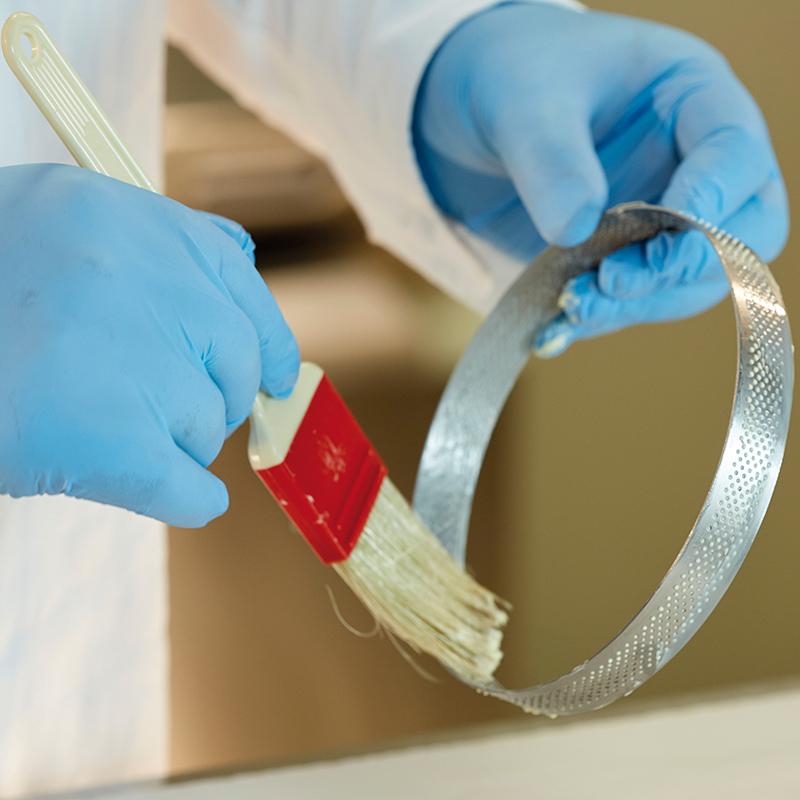
Sticking can occur if the dough is too warm, the ring is not properly prepared, or the pastry has not cooled enough before removal. Chilling the dough and allowing the shell to cool slightly can make unmolding easier.
How do I prevent dough from bulging through the holes?
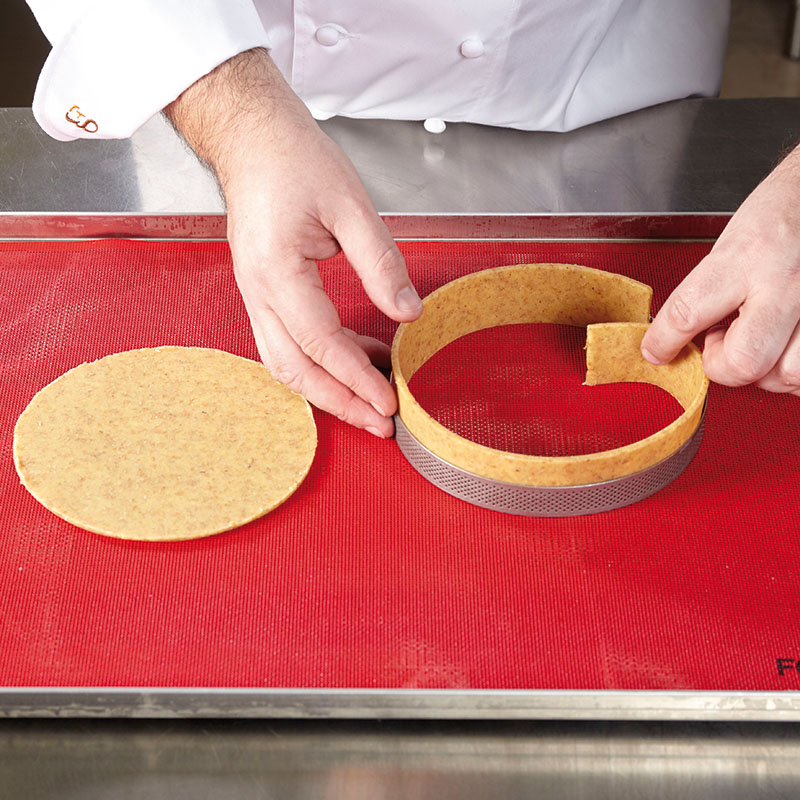
Use properly chilled dough and press it evenly against the ring without stretching it. Make sure the pastry is rolled to a consistent thickness to help maintain a smooth, even surface.