Home > Cake Flour: The Secret to Soft, Tender Cakes
Cake Flour: The Secret to Soft, Tender Cakes
Cake flour is one of the most misunderstood baking ingredients. Many home bakers assume it’s simply a finer version of all-purpose flour, but it actually plays a major role in determining the texture, tenderness, and structure of baked goods. If you’ve ever wondered why some cupcakes have a light, delicate crumb while others turn out dense or chewy, the type of flour you’re using is often the reason.
Cake Flour: What It Is & When to Use It
When it comes to baking, choosing the right flour can make all the difference. While all-purpose flour is the go-to ingredient for many recipes, cake flour is specifically designed to create exceptionally soft, tender baked goods. Understanding when to use cake flour and when not to can help you achieve bakery-quality results every time.
What Is Cake Flour?
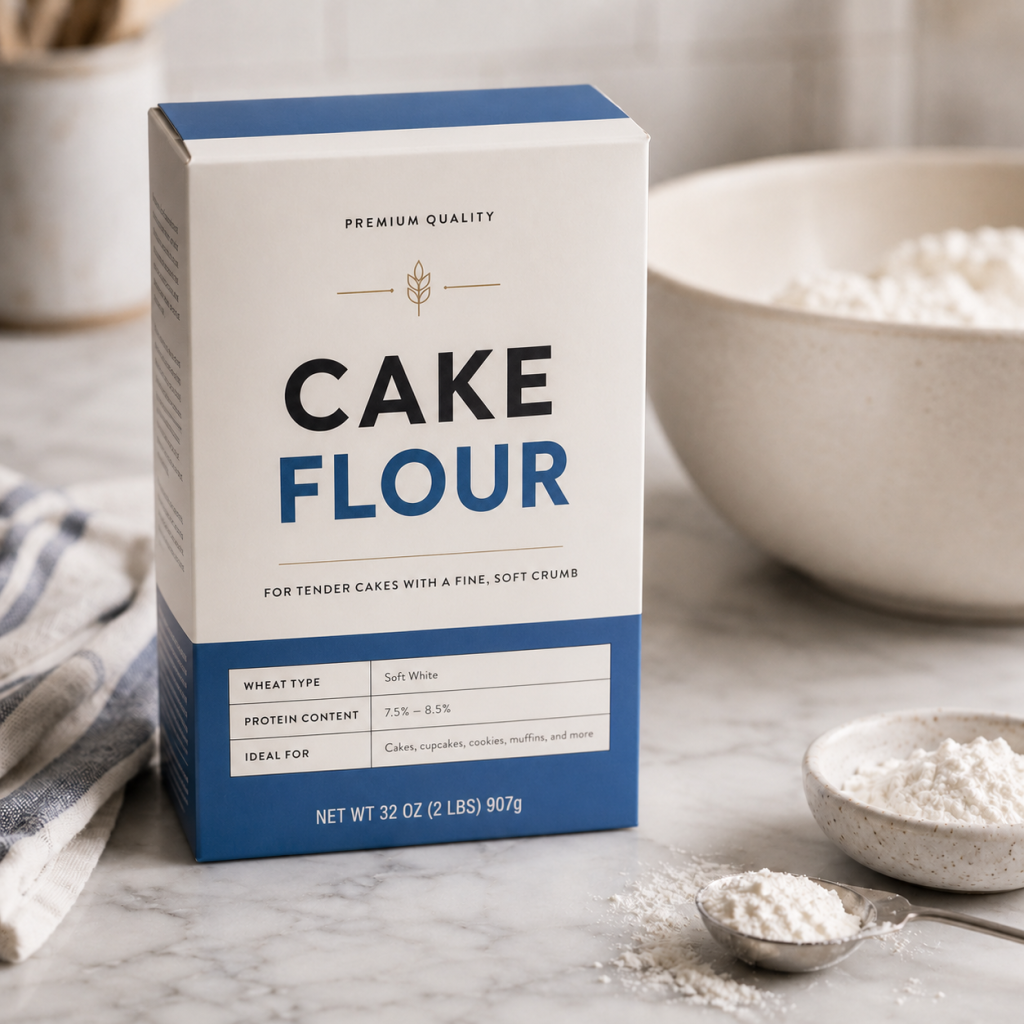
Cake flour is a finely milled wheat flour with a lower protein content than all-purpose flour. Most cake flours contain around 7–9% protein, compared to 10–12% in all-purpose flour.
Why does protein matter? When flour is mixed with liquid, its proteins form gluten. Gluten provides structure and elasticity, which is ideal for bread but can make cakes tough if too much develops. Because cake flour contains less protein, it produces less gluten, resulting in baked goods that are lighter, softer, and more delicate.
Many cake flours are also bleached, a process that helps the flour absorb moisture more efficiently and contributes to an even finer crumb.
Benefits of Baking with Cake Flour
Using cake flour offers several advantages:
Creates a soft, delicate crumb
Produces lighter, fluffier cakes
Results in a finer, more uniform texture
Helps cakes rise evenly
Provides a tender bite without being dense
Professional bakers often choose cake flour whenever texture is the highest priority.
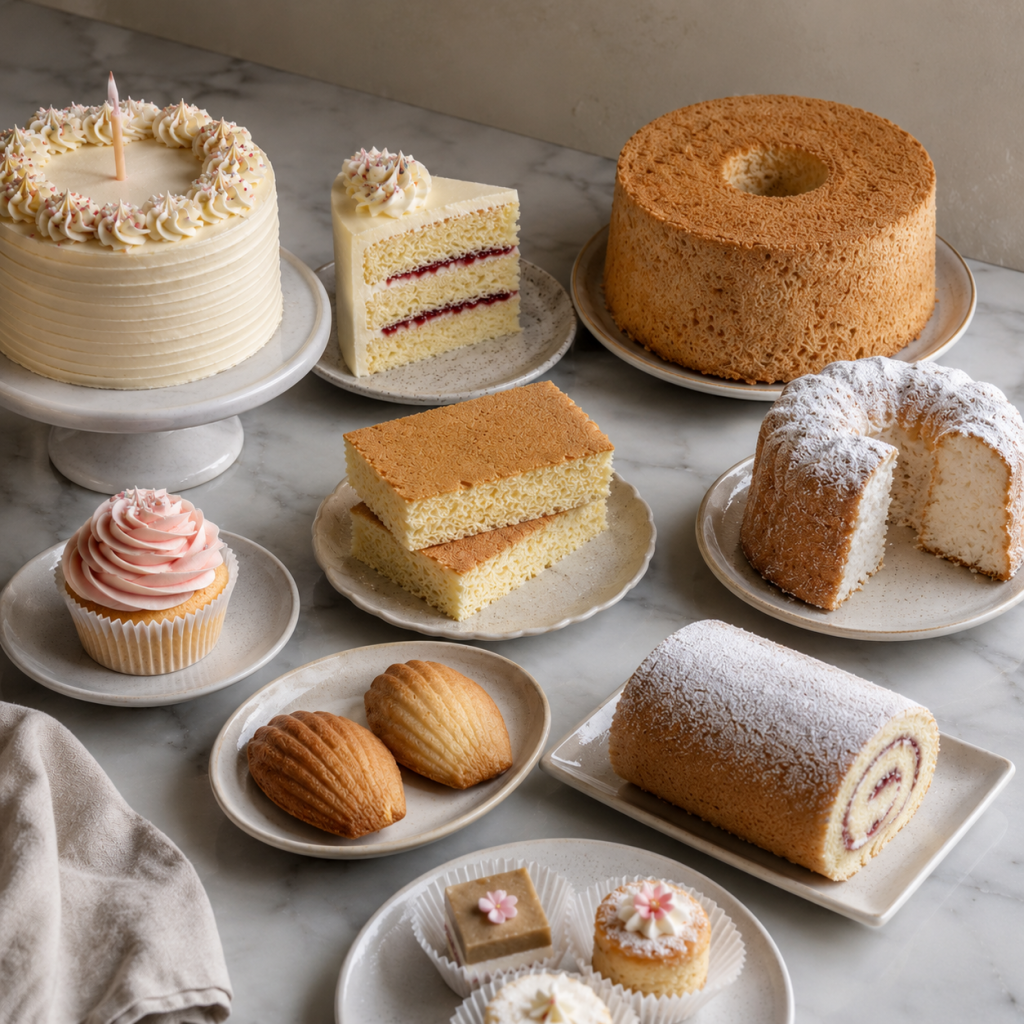
Best Recipes for Cake Flour
Cake flour performs best in recipes where tenderness is the goal.
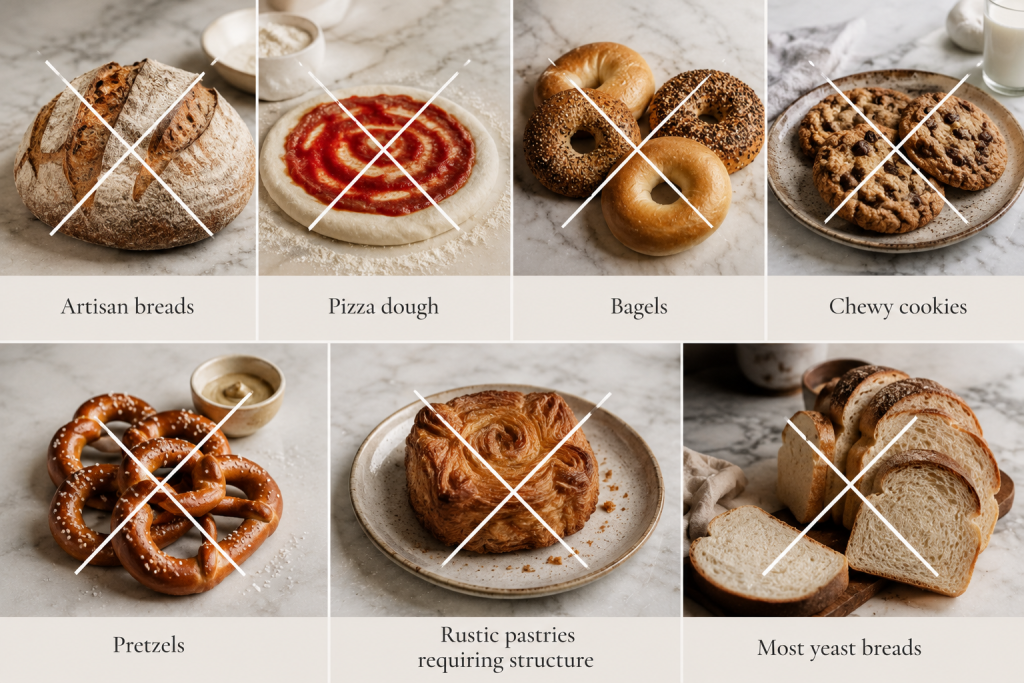
These recipes rely on stronger gluten development, which cake flour simply can’t provide.
Frequently Asked Questions
Is cake flour self-rising?
No. Standard cake flour does not contain baking powder or salt. Always check the package, as self-rising cake flour is a separate product.
Can I use cake flour for cookies?
Yes. Cake flour creates softer, more tender cookies with less chew. It’s ideal for shortbread or delicate butter cookies but not for recipes that rely on a chewy texture.
Why do professional bakers use cake flour?
Its lower protein content and fine texture help produce cakes with a lighter crumb, better rise, and a more refined appearance.
Does cake flour expire?
Cake flour has a long shelf life when stored properly but will gradually lose freshness over time. Always check for off odors, discoloration, or signs of moisture before using.